This chicken involtini recipe is a classic Italian-inspired main dish that combines tender chicken breast schnitzels with a creamy ricotta filling, semi-dried tomatoes and fresh asparagus. Because the involtini are carefully rolled, lightly browned and then baked in rich pasta sauce, the chicken remains juicy while the cheese melts evenly on top. At the same time, the flavours stay balanced, which makes this recipe suitable for both everyday family meals and more special occasions.
PREP 30 MIN
COOK 35 MIN
MAKES 4-6
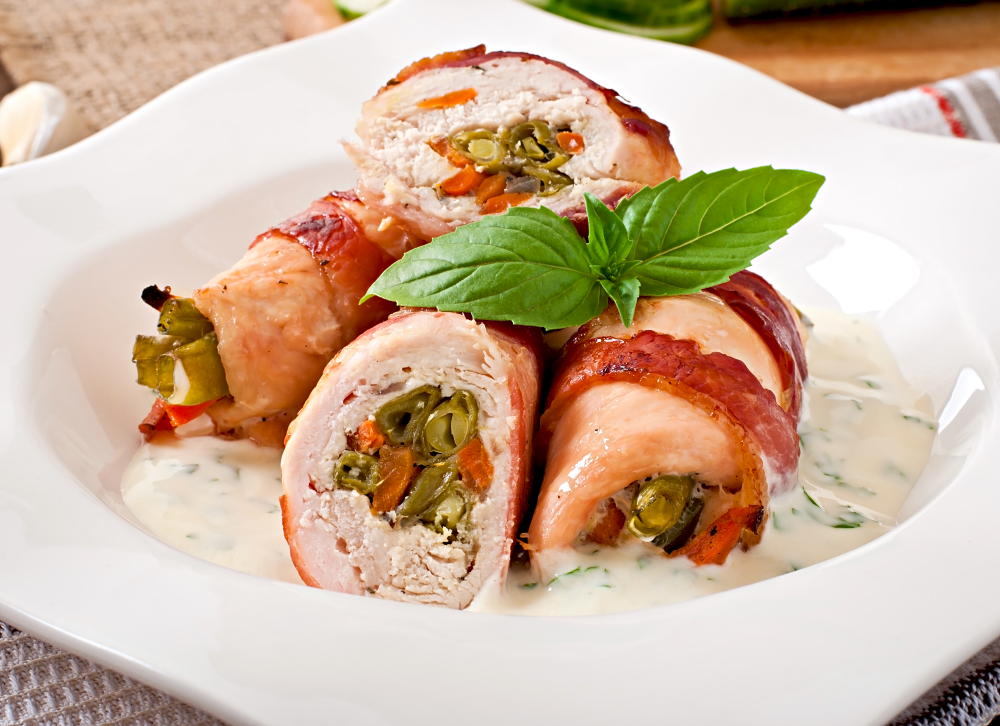
Chicken involtini is a dish where technique matters just as much as ingredients. The way the chicken is rolled, secured and cooked directly affects the final result, because proper preparation helps the involtini keep their shape, hold the filling inside and absorb flavour from the sauce during baking. When each step is followed carefully, the final dish feels cohesive, comforting and well-structured rather than messy or dry.
Ingredients
The following ingredients form the core foundation of this recipe and should not be omitted, as they work together to create the intended flavour, texture and structure of the dish.
250 g Perfect Italiano™ Ricotta
¼ cup (60 g) semi-dried tomatoes, drained and chopped
1¾ cups (210 g) Perfect Italiano™ Perfect Bakes cheese
2 × 500 g (8 pieces) uncrumbed chicken breast schnitzel cuts
12 thin asparagus spears, halved
¼ cup olive oil
500 g jar pasta sauce
Salad, to serve
Method
Step 1: Preheat the oven
Preheat the oven to 200°C / 180°C fan-forced. This step is essential, because placing the involtini into a fully heated oven ensures that the cheese melts evenly and the chicken cooks through at the right pace without drying out. Starting with the correct temperature also helps the sauce heat consistently around the chicken.
Step 2: Prepare the filling and assemble the involtini
Combine the ricotta, semi-dried tomatoes and ¾ cup of the cheese in a bowl and season to taste. Place the chicken schnitzels flat on a clean surface and dollop two level tablespoons of the ricotta mixture into the centre of each piece. Lay three pieces of asparagus crossways over the filling, then roll the chicken up tightly and secure with a toothpick or tie with kitchen string.
Rolling the chicken firmly is important, because loose rolling can cause the involtini to open while cooking. A tight roll helps keep the filling contained and ensures the involtini hold their shape during browning and baking.
Step 3: Brown the involtini
Heat the olive oil in a large, non-stick frying pan over medium heat. Add the involtini and cook for about 7 minutes, turning regularly, until they are browned all over. This step builds flavour through caramelisation and also improves the final texture of the chicken before it goes into the oven.
Step 4: Bake in sauce
Spoon one third of the pasta sauce into the base of a roasting pan. Arrange the chicken involtini on top, spoon the remaining pasta sauce over them, then sprinkle with the remaining cheese. Bake for 25–30 minutes or until the chicken is cooked through and the cheese is melted and lightly golden on the surface.
The sauce plays an important role here, because it surrounds the involtini and protects the chicken from direct heat, which helps keep the meat tender and juicy throughout the baking process.
Step 5: Serve
Remove the toothpicks or kitchen string before serving and serve hot with a fresh salad. Removing the fasteners before serving ensures a clean presentation and a better eating experience.
Tips
You can make up the involtini up to 8 hours ahead and store them covered in the fridge, which makes this recipe suitable for planning ahead. Alternatively, you can prepare the involtini up to the end of the filling and rolling step and freeze them. Thaw completely before cooking so the chicken cooks evenly.
The semi-dried tomatoes can be swapped for char-grilled capsicum, or you can use a mixture of chopped antipasto vegetables for a slightly different flavour profile. For extra freshness, chopped rosemary, thyme or chives can be added to the ricotta filling without overpowering the dish.
Why This Chicken Involtini Recipe Works
This chicken involtini recipe works because each element has a clear purpose. Ricotta keeps the filling soft and creamy, while the semi-dried tomatoes add depth and intensity. The asparagus contributes freshness and texture, and the pasta sauce protects the chicken during baking so it stays moist instead of drying out. Browning the involtini beforehand further enhances flavour and structure.
Common Mistakes and How to Avoid Them
Overfilling the chicken is a common mistake that can cause the involtini to open during cooking. Measuring the filling helps prevent this. Skipping the browning step may lead to a flatter flavour, while overbaking can dry out the chicken breast. Paying attention to timing and heat helps avoid these issues.
Make-Ahead, Storage and Freezing Information
This recipe is ideal for meal planning. The involtini can be assembled ahead of time and stored in the fridge until ready to cook. Once cooked, leftovers can be kept in an airtight container in the refrigerator for up to three days. Reheating gently in the oven or microwave helps preserve moisture and texture.
What to Serve With Chicken Involtini
A simple green salad works well to balance the richness of the cheese and sauce. If a more filling meal is desired, roasted vegetables, potatoes or crusty bread can be served alongside without overwhelming the dish.
Nutrition Overview
Chicken involtini is naturally high in protein due to the chicken and cheese. The asparagus and tomato sauce add balance and freshness, making this dish satisfying without feeling overly heavy when paired with lighter sides.
Frequently Asked Questions
Can I prepare this recipe in advance?
Yes, the involtini can be assembled several hours ahead and cooked later.
How do I keep the involtini from opening during cooking?
Rolling them tightly and securing them properly with toothpicks or kitchen string is usually sufficient.
Can this recipe be doubled?
Yes, it scales well for larger portions as long as the pan is not overcrowded during browning.
Final Thoughts
This chicken involtini recipe is built on a solid, reliable base and expanded through careful technique rather than unnecessary changes. Because it is flexible, make-ahead friendly and consistently flavourful, it is a dish that can be confidently used for both everyday cooking and entertaining.
If you enjoyed this chicken involtini recipe and you’re looking for something lighter and Italian-inspired to serve alongside it, my grilled tomato bruschetta is a perfect choice. It’s simple, fresh and ideal for summer lunches or casual dinners.
Read the grilled tomato bruschetta recipe.