Cannoli with ricotta cream is a classic Italian dessert, loved for the contrast between crisp pastry shells and a smooth, creamy centre. The shells add structure and crunch, but the true heart of the dessert is the cannoli ricotta filling. It should be soft, well balanced, and gently sweet. Because the filling plays such a central role, its texture and flavour matter just as much as the shell itself.
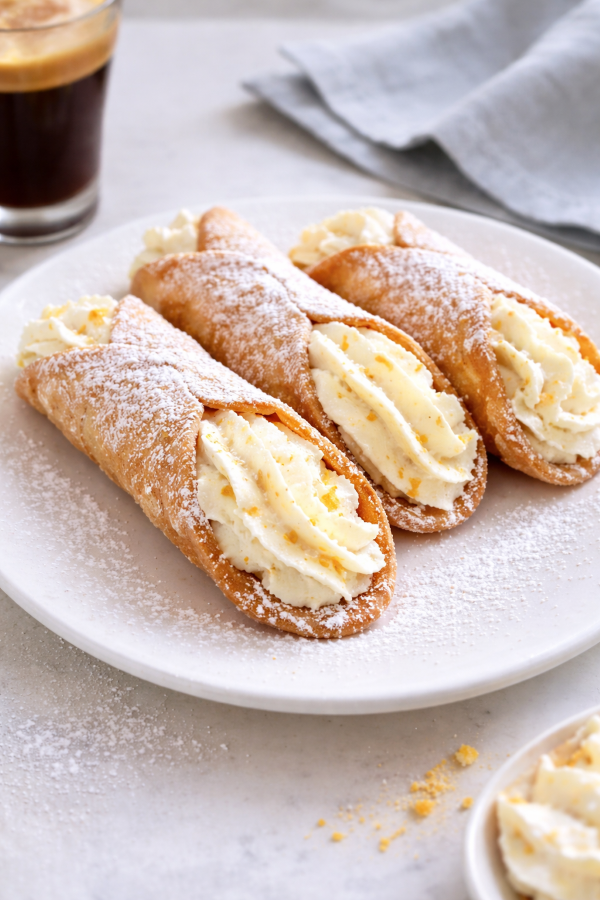
This recipe shows you how to create a traditional cannoli at home while also focusing on a perfect cannoli ricotta filling. The process takes a little time, but careful preparation brings everything together smoothly. Whether you make cannoli for a celebration or simply because you enjoy classic Italian desserts, this method delivers reliable and authentic results.
Prep time: 45 minutes
Cook time: 15 minutes
Makes: X cannoli
Ingredients
Cannoli
150g plain flour, plus extra for dusting
1 tbsp caster sugar
⅛ tsp bi-carb soda
⅓ cup marsala
½ tsp cinnamon
2 tsp Dutch cocoa
1 egg yolk, lightly beaten
40g lard, melted and cooled slightly
Vegetable oil, for frying
Ricotta Cream
750g Perfect Italiano™ Ricotta
40g icing sugar
1 tbsp orange zest
Icing sugar, for dusting
Method
Cannoli
- In a medium bowl, combine the flour, sugar, bi-carb soda, cocoa and cinnamon, and mix well so the dry ingredients are evenly distributed. In another bowl, whisk together the egg yolk, lard and marsala, and then pour the liquid mixture into the dry ingredients. Stir gently until a dough forms, but stop mixing as soon as everything comes together.
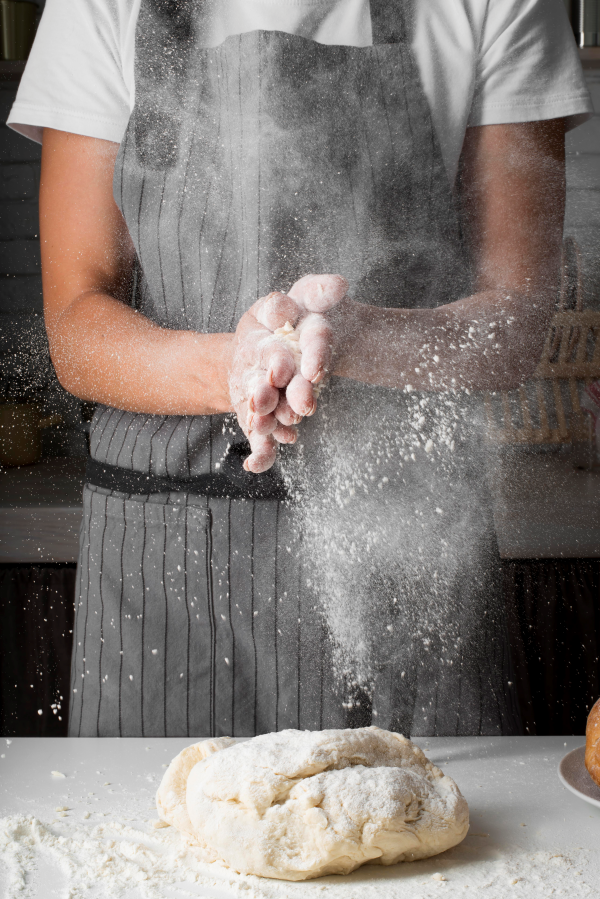
- Place the dough onto a lightly floured surface and knead for 5–10 minutes, or until the dough becomes smooth and elastic. This step is important because proper kneading helps create crisp cannoli shells later.
- Cut the dough in half and roll each portion very thin, either with a rolling pin or a pasta machine on the second lowest setting. Once thin, cut the pastry into 11 cm squares.
- Working one piece at a time, place a lightly oiled metal cannoli tube diagonally across a pastry square and fold the opposite corners inward so they overlap and seal.
- Heat the oil to 180°C, and then fry the cannoli shells in batches for 2–3 minutes until golden and crisp. Remove them from the oil and drain on paper towel so excess oil is absorbed.
- Allow the shells to cool slightly before carefully sliding them off the metal tubes. Continue until all shells are cooked and fully cooled.
Ricotta Cream
- Meanwhile, prepare the cannoli ricotta filling by combining the ricotta, icing sugar and orange zest in a medium bowl. Mix until smooth and well blended, but avoid overmixing, because gentle handling keeps the cannoli ricotta filling light and creamy. Refrigerate until ready to use.
- Once the shells are completely cool, pipe the cannoli ricotta filling into each shell, filling from both ends if needed so the centre is evenly filled. Dust generously with icing sugar and serve immediately.
Tips for the Perfect Cannoli Ricotta Filling
For the best cannoli ricotta filling, always use well-drained ricotta, because excess moisture can make the filling loose and watery. If the ricotta seems wet, allow it to drain briefly before mixing, and this will improve both texture and stability. At the same time, mixing gently rather than vigorously helps keep the cannoli ricotta filling smooth and airy.
Orange zest adds a subtle citrus note, and while it enhances the flavour, it does not overpower the ricotta. However, the amount can be adjusted depending on personal preference, so the filling remains balanced and elegant.
How to Achieve the Perfect Cannoli Texture
Achieving the perfect cannoli texture requires balance, because both the shell and the filling matter. The shell needs to stay crisp, while the cannoli ricotta filling should remain smooth, creamy, and stable. Paying attention to small details makes a clear difference in the final result.
Ricotta naturally contains moisture, so drain it in the refrigerator for several hours before mixing. This step removes excess liquid and helps the cannoli ricotta filling become thicker and silkier. It also allows the filling to hold its shape once piped into the shells.
You can improve texture further by adding flavour carefully. Gently fold in chocolate chips, chopped pistachios, or fresh orange zest. These additions add contrast and interest, but they do not overpower the ricotta. Some variations include a small amount of orange blossom water or candied citrus peel for subtle fragrance.
Fill the cannoli shells just before serving to keep them crisp. If the cannoli ricotta filling sits too long in the shells, moisture softens the pastry and reduces crunch. You can also adjust the dough slightly by using different wines or warm spices like cinnamon. These changes enhance aroma while keeping the classic texture intact.
Serving Suggestions
Cannoli should be filled just before serving, because the cannoli ricotta filling contains moisture and can soften the shells if left too long. For best results, assemble shortly before serving, and dust with icing sugar for a classic finish. Cannoli pair beautifully with espresso, coffee, or a light dessert wine, and they work well both as a plated dessert and as part of a dessert table.
Storage Notes
Cannoli shells can be prepared in advance and stored in an airtight container at room temperature, while the cannoli ricotta filling should be kept refrigerated. However, the shells and filling should always be stored separately, and they should only be combined right before serving to maintain the ideal texture.
Frequently Asked Questions
What makes a good cannoli ricotta filling?
A good cannoli ricotta filling is smooth, lightly sweet, and not watery. Properly drained ricotta and gentle mixing are essential for the right consistency.
Can I make cannoli ricotta filling ahead of time?
Yes, the cannoli ricotta filling can be prepared several hours in advance and kept refrigerated. Stir gently before piping to restore its creamy texture.
Why should cannoli be filled just before serving?
Because the cannoli ricotta filling contains moisture, filling too early will soften the shells and reduce their crispness.
Can I flavour cannoli ricotta filling differently?
Yes, vanilla, lemon zest, or small chocolate chips can be added, although the classic version keeps the flavour simple and balanced.
The Origin of Cannoli
The word cannoli comes from the Italian term cannolo, which means “little tube.” This name reflects the traditional shape of the dessert and its early preparation methods. Historically, the dough was wrapped around natural reeds before frying, which gave cannoli their distinctive hollow form. Today, metal cannoli tubes are used, but the shape and concept remain the same, preserving the dessert’s strong connection to Sicilian tradition.
Regional Variations Across Sicily
Cannoli may follow a classic formula, but regional differences play an important role in how they are made and served. In some parts of Sicily, cannoli are larger and filled generously, while in other areas the shells are thinner and the ricotta filling is lighter. These variations show how the same dessert can adapt to local preferences while still staying true to its roots.
Traditional Ricotta Used for the Filling
Authentic cannoli ricotta filling is traditionally made with sheep’s milk ricotta, which has a richer and slightly sweeter flavour than cow’s milk ricotta. This type of ricotta creates a smoother and creamier filling that holds its shape well. While cow’s milk ricotta is more widely available, choosing a high-quality, well-drained ricotta makes a noticeable difference in texture and taste.
Classic Flavour Additions
Although plain ricotta filling is delicious on its own, classic additions often enhance both flavour and appearance. Popular options include vanilla, citrus zest, small chocolate chips, candied fruit, or finely chopped pistachios. These ingredients add contrast and interest while keeping the cannoli ricotta filling balanced and true to tradition.
Why Cannoli Are Filled Just Before Serving
A key rule in cannoli preparation is to fill the shells only right before serving. Because the ricotta filling contains moisture, it quickly softens the crisp pastry if left too long. Filling at the last moment ensures the shells remain crunchy while the filling stays fresh and creamy, delivering the ideal texture contrast in every bite.
Dough Resting and Texture Improvement
Letting the cannoli dough rest before rolling is an important but often overlooked step. Resting the dough allows the gluten to relax, making it easier to roll thin and even. This results in shells that fry more evenly and develop a lighter, crisp texture without becoming tough or overly dense.
Final Thoughts
This cannoli with ricotta cream recipe highlights how important a well-made cannoli ricotta filling is to the success of the dessert. When paired with crisp shells and assembled at the right moment, the result is a timeless Italian classic that feels indulgent, balanced, and rewarding to make at home.
If you enjoy classic Italian desserts like cannoli with ricotta cream, you may also like trying another ricotta-based bake that highlights the same creamy texture in a different form. This lemon ricotta loaf with berries offers a soft, moist crumb with bright citrus notes and gentle sweetness, making it perfect for coffee, afternoon tea, or a light dessert. It’s an easy yet elegant way to enjoy ricotta in a baked treat that feels both comforting and refined.
Lemon Ricotta Loaf with Berries