Steak is one of those foods where technique matters just as much as the cut itself. You can start with high quality meat, but without the right cooking method, it will never reach its full potential. The good news is that there are many reliable ways to cook steak at home, whether you want a deep crust, a smoky grilled flavor, or perfectly even doneness from edge to edge. Knowing the strengths of each method helps you choose the best approach for your kitchen, equipment, and personal taste.
Essential Basics Before Cooking Steak
No matter which method you choose, a few core principles always apply. These fundamentals separate an average steak from an excellent one.
Thickness plays a major role. Steaks measuring about 2.5 to 4 centimeters thick work best for most cooking methods. Thicker steaks give you more control and help you build a good crust without overcooking the center.
Seasoning should never feel like an afterthought. When you salt a steak 40 to 60 minutes before cooking, the salt draws out moisture, dissolves, and then moves back into the meat. This process improves both flavor and texture. If time is limited, seasoning the steak right before cooking still delivers good results.
Surface dryness plays a critical role in browning. Moisture prevents proper caramelization, so always pat the steak completely dry before cooking.
Heat control determines the final outcome. High heat creates browning, while gentler heat cooks the interior evenly. Most steak techniques rely on managing these two elements effectively.
Resting the steak after cooking helps the juices redistribute throughout the meat. Skipping this step often leads to a dry steak, even when you cook it correctly. In most cases, five to ten minutes of resting is enough.
Classic Pan Seared Steak
Pan searing remains one of the most popular and reliable ways to cook steak. This method delivers speed, consistency, and a strong crust when done properly. A heavy pan, especially cast iron, performs best because it holds heat well.
Place the steak into a very hot pan with a small amount of high smoke point oil. Leave it untouched until a deep brown crust forms. Flip the steak, sear the second side, and continue cooking until it reaches the desired internal temperature.
This method works especially well for ribeye, strip steak, sirloin, and filet mignon. It suits thinner to medium thick cuts and fits perfectly into weeknight cooking routines.
Butter Basted Steak
Butter basting builds on the pan searing method and appears frequently in professional kitchens. After searing both sides of the steak, lower the heat and add butter along with aromatics such as garlic, thyme, or rosemary.
Spoon the melted butter continuously over the steak to add richness and enhance browning. This approach creates a deeply flavorful steak with a luxurious finish and works particularly well for filet mignon and strip steak.
Grilling Steak
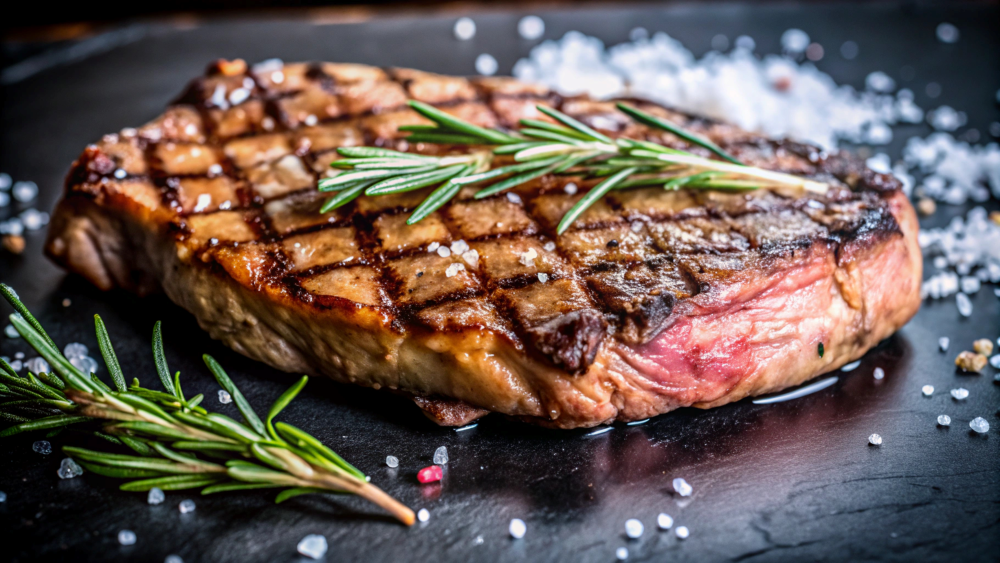
Grilling stands as one of the most traditional ways to cook steak and adds a smoky flavor that indoor methods cannot replicate. To grill steak well, use a two zone fire. Keep one side of the grill very hot for searing and the other side cooler for finishing.
Start by searing the steak over direct heat to build color and grill marks. Move it to indirect heat to finish cooking gently. This method performs especially well with ribeye, strip steak, and thicker cuts.
Grilling works best when cooking for multiple people and when you want flavor from charcoal or wood smoke.
Reverse Sear Method
The reverse sear method has gained popularity because it produces consistent and even results. Instead of searing first, cook the steak slowly at a low temperature until it nearly reaches doneness, then finish it with a quick, high heat sear.
This technique reduces the gray overcooked band beneath the crust and creates an evenly pink interior from edge to edge. Reverse searing works best for thick steaks such as ribeye, strip steak, and tomahawk cuts.
You can perform the low temperature phase in an oven, grill, or smoker, then finish with a pan or grill sear.
Oven Finished Steak
Another reliable technique combines pan searing with oven finishing. This method gives you more control than pan searing alone and appears frequently in steakhouses.
After developing a crust in a hot pan, move the steak to a moderate oven to finish cooking evenly. This approach works well for thicker steaks and helps prevent burning the exterior before the interior cooks through.
Broiled Steak
Broiling uses intense top down heat similar to an upside down grill. This method works well when outdoor grilling is not an option and when you want strong browning without excessive pan splatter.
Place the steak close to the broiler element and cook it briefly on each side. Using a preheated pan or broiler tray improves browning. Broiling suits thinner steaks and quick cooking times best.
Sous Vide Steak
Sous vide cooking seals the steak in a bag and cooks it in a precisely controlled water bath. This method gives you exact temperature control and greatly reduces the risk of overcooking.
Once the steak reaches the target temperature, sear it quickly in a very hot pan or on a grill to create a crust. Sous vide delivers highly consistent results and works especially well for lean cuts or very thick steaks.
Choosing the Best Method for Your Steak
Different cuts respond best to different cooking methods. Ribeye performs exceptionally well when grilled, pan seared, or reverse seared because of its high fat content. Filet mignon benefits from gentler techniques such as butter basting, oven finishing, or sous vide. Sirloin works well on the grill or with a pan and oven combination.
Thicker steaks usually perform better with reverse searing or oven finishing, while thinner steaks benefit from fast cooking over high heat.
What is the best way to cook steak for a crispy crust
Pan searing in a very hot pan is one of the best ways to achieve a strong crust. Reverse searing can also produce excellent crust when finished properly.
Should steak be rested after cooking
Yes, resting helps redistribute juices and improves texture and juiciness.
What internal temperature is best for medium rare steak
Medium rare steak is typically cooked to an internal temperature between 48 and 54 degrees Celsius.
Is reverse searing better than traditional searing
Reverse searing offers more even doneness and is especially beneficial for thick steaks, but traditional searing is faster and works well for thinner cuts.
Is sous vide worth it for cooking steak
Sous vide is excellent for precise temperature control and consistent results, especially for those who want repeatable outcomes.
If you enjoy exploring cooking techniques, you might also like diving into classic recipes from other cuisines. From homemade pasta to traditional Italian baking, there is plenty to discover in our Italian cuisine section: Italian Cuisine Recipes