If you’re looking for an easy recipe for chow mein that comes together quickly and delivers bold, savory flavor, this dish is a great place to start. Made with tender chicken, crisp vegetables, and crunchy chow mein noodles, it’s a simple skillet meal that works perfectly for busy weeknights while still feeling satisfying and homemade.
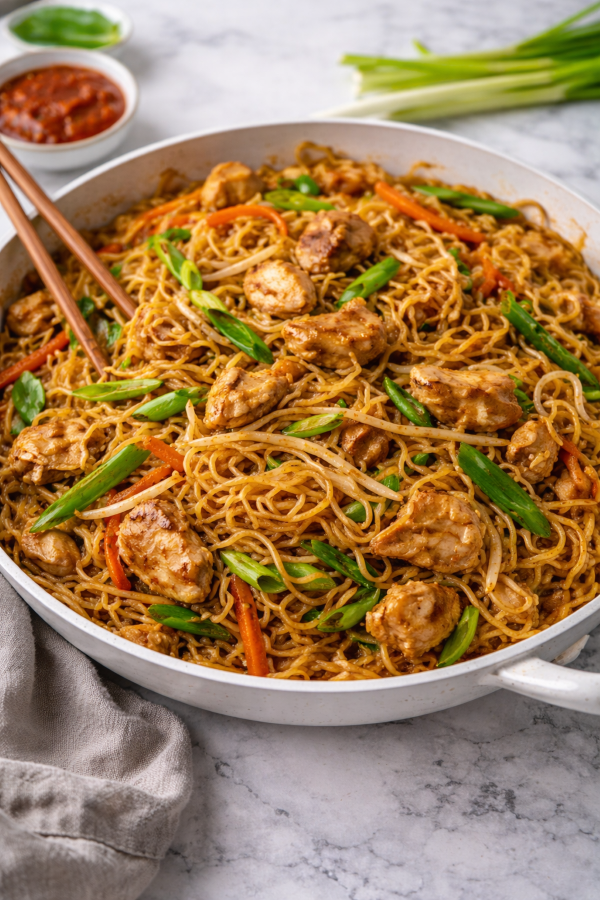
This version focuses on straightforward ingredients and a short cooking time, making it approachable even if you don’t cook Asian-inspired dishes often.
Why This Is an Easy Chow Mein Recipe
This chow mein recipe uses one pan, minimal prep, and a short ingredient list. The sauce thickens naturally with a cornstarch slurry, while canned bamboo shoots and water chestnuts add crunch without extra prep work. The result is a balanced, flavorful meal that’s ready in about 30 minutes from start to finish.
Ingredients
1 tablespoon olive oil
½ pound (8 ounces) boneless skinless chicken breast, cut into bite-sized strips
½ medium onion, thinly sliced (about 1 cup)
2 stalks celery, thinly sliced on the bias (diagonal; about ½ cup)
3 white button or cremini mushrooms, thinly sliced (about ½ cup)
2 cups chopped or shredded Napa cabbage
1 cup (8 ounces) low-sodium chicken broth
1 (8-ounce) can bamboo shoots, drained and rinsed
1 (8-ounce) can sliced water chestnuts, drained and rinsed
1 tablespoon cornstarch
1 tablespoon water
½ teaspoon sugar
¼ teaspoon ground black pepper
½ cup crunchy chow mein noodles, divided
How to Make This Easy Recipe for Chow Mein
Prep Time: 10 minutes
Cook Time: 20 minutes
Total Time: 30 minutes
Yield: 2 servings
Serving Size: ~2 cups
Region: Eastern Asia
Country: China
Heat a medium skillet or sauté pan over medium heat. Add the oil and heat until shimmering. Add the chicken and cook, stirring often, until cooked through (internal temperature of 165°F), about 6–8 minutes. Remove the chicken from the pan and set aside.
Return the pan to medium heat and add the onion, celery, and mushrooms. Cook until softened, about 6–8 minutes. Add the cabbage, broth, bamboo shoots, and water chestnuts, then stir to combine.
Bring the mixture to a simmer over high heat, then reduce the heat to maintain a steady simmer. Cook until the cabbage becomes tender, about 5–7 minutes.
In a small bowl, whisk together the cornstarch and water with a fork to make a slurry. Add the slurry, sugar, and black pepper to the pan and stir well. Cook until the sauce thickens slightly, about 3–5 minutes.
Return the cooked chicken to the pan and stir to combine. Serve warm, topping each serving with ¼ cup of the crunchy chow mein noodles.
Recipe Notes
You can substitute tofu for the chicken if you prefer a plant-based option. Bok choy works well in place of Napa cabbage and adds a slightly firmer texture and mild flavor.
Serving Ideas
This easy recipe for chow mein works well as a complete meal on its own, but you can also serve it with steamed rice or simple stir-fried vegetables. Add extra chow mein noodles on top just before serving to keep them crisp.
This dish keeps the preparation simple while delivering classic chow mein flavors, making it a reliable go-to when you want a quick, satisfying dinner without a lot of fuss.
Chow Mein vs. Lo Mein: What’s the Difference?
Although chow mein and lo mein sound similar and both feature noodles, vegetables, and protein, they are prepared differently and deliver distinct textures and experiences. The names themselves reflect this difference. Chow mein refers to stir-fried noodles, while lo mein describes noodles that are tossed with sauce.
Chow mein is made by stir-frying noodles with vegetables and sometimes meat or tofu. The noodles are cooked and then fried in oil until lightly browned or slightly crisp. This method creates a firmer texture and adds a subtle toasted flavor to the dish.
Lo mein uses fully cooked noodles that are boiled or steamed first. Cooks then add the noodles to vegetables and protein and toss everything together with sauce just before serving. This technique produces softer noodles that absorb more sauce and feel richer in texture.
Another key difference lies in the amount of sauce. Chow mein usually has a lighter coating that highlights the stir-fried texture of the ingredients. Lo mein tends to be saucier, with noodles fully coated in the sauce.
Both dishes remain popular and widely enjoyed. Understanding the difference between stir-fried noodles and sauce-tossed noodles can help you choose the style that best matches your preference.
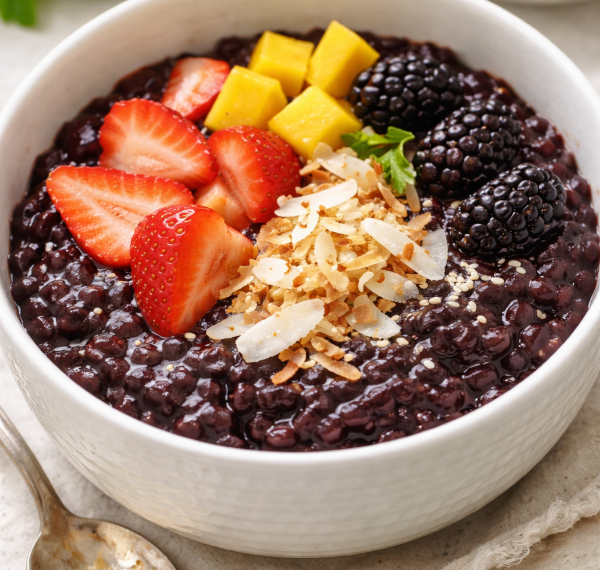
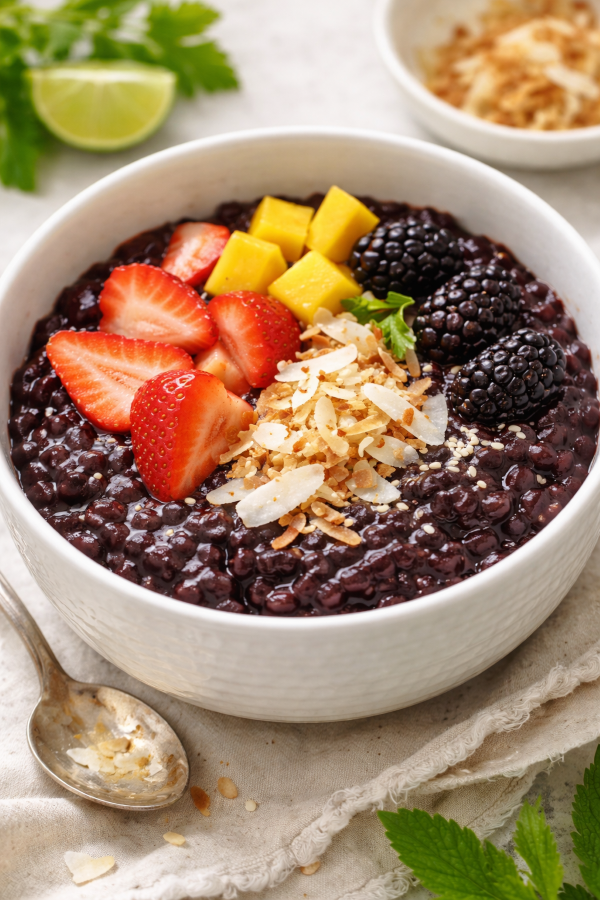
If you enjoyed this easy recipe for chow mein and want to try another unique and flavorful dish, check out this recipe for black rice pudding. It’s a creamy, naturally sweet dessert made with coconut milk and fruit that perfectly balances comfort and nutrition:
https://rooftopbakery.com/black-rice-pudding/