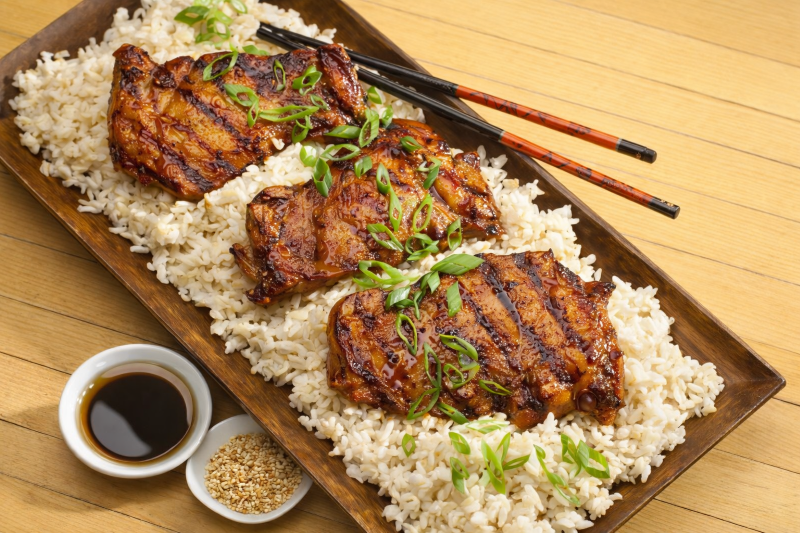
If you’ve ever wondered how long to broil boneless chicken thighs, you’re not alone. Broiling cooks chicken quickly, but it leaves little room for error. Cook it for too short a time and the chicken stays underdone; leave it in too long and it dries out or burns. The good news? With the right timing, preparation, and technique, you can broil boneless chicken thighs that turn out juicy, flavorful, and perfectly browned every time.
This guide goes beyond giving you a simple time range. It shows why timing matters, explains how thickness and preparation influence cooking time, and helps you get the best results from your oven’s broil setting.
How long to broil boneless chicken thighs
On average, boneless chicken thighs need 12–16 minutes under the broiler, depending on their thickness and your oven.
Most recipes suggest broiling on high heat for about 6–8 minutes per side, flipping the chicken once halfway through. Place the oven rack about 5–6 inches below the broiler element. The chicken is done when a thermometer reads 165°F (74°C) at the thickest part.
Why broiling is different from baking
Broiling uses intense, direct heat from above, much like an upside-down grill. This high heat browns the surface of the chicken very quickly. Sugar in marinades burns faster, thickness matters more than it does with baking, and you need to watch the cooking time closely.
That’s why knowing how long to broil boneless chicken thighs goes hand in hand with understanding proper preparation and meat thickness.
How thickness affects broiling time
Boneless chicken thighs vary widely in thickness, and that thickness directly affects how long they take to cook.
Thin thighs, about three-quarters to one inch thick, usually cook in 4–6 minutes per side. Average thighs, roughly one to one and a quarter inches thick, typically need 6–8 minutes per side. Very thick thighs, one and a half inches thick or more, often need closer to 8–9 minutes per side. Watch these closely to prevent the outside from burning before the inside cooks through.
If the thighs have uneven thickness, lightly pound them to an even size so they cook evenly under the broiler.
Preparation and seasoning techniques
Many people overlook proper preparation when broiling chicken thighs.
Marinate the chicken for 30 minutes to 2 hours to boost flavor and help it stay moist during broiling. Oil-based marinades with herbs, spices, garlic, or citrus work best. Avoid heavy sugar-based marinades before broiling, since direct heat can burn them quickly.
Before placing the chicken under the broiler, pat the thighs dry with paper towels. Removing excess moisture and marinade helps the surface brown properly instead of steaming.
Rack position and pan choice
For best results, place the chicken on a foil-lined broiler pan or a wire rack set over a baking sheet. This setup allows fat to drip away while heat circulates evenly around the meat.
Keeping the chicken about 5–6 inches away from the broiler element is ideal. If it is too close, the outside may burn before the inside cooks through. If it is too far away, browning will be slow and uneven.
How to tell when boneless chicken thighs are done
Time alone is not a reliable indicator of doneness. The most accurate method is checking the internal temperature with a meat thermometer. The chicken is safe to eat once it reaches 165°F or 74°C.
Visually, the chicken should be golden brown on the outside, with clear juices when cut and no pink meat in the center. The texture should feel firm but still slightly springy.
After broiling, let the chicken rest for 3–5 minutes so the juices redistribute and the meat stays moist.
Quick Broiling Tips for Boneless Chicken Thighs
When broiling boneless chicken thighs, keep sugar-based marinades in check. Apply them only during the last 2–3 minutes of cooking, as sugar can burn quickly under the intense heat of the broiler.
Pay close attention to the thickness of the meat. Pound or trim the chicken thighs to an even thickness before cooking so they broil evenly and finish at the same time.
For the most accurate results, always use a meat thermometer. Remove the chicken from the oven as soon as the internal temperature reaches 165°F (74°C) at the thickest part to prevent overcooking.
Common broiling mistakes to avoid
Many broiling problems come from a few simple mistakes. Not flipping the chicken halfway through can cause uneven cooking. Placing cold chicken straight from the refrigerator under the broiler can lead to dry results. Leaving excess marinade on the surface prevents proper browning. Placing the rack too close to the broiler element can cause burning, while walking away during broiling often leads to overcooking.
Flavor ideas for broiled chicken thighs
Once you know how long to broil boneless chicken thighs, it becomes easy to experiment with flavors. Garlic and herb marinades work well for a classic taste. Lemon and pepper create a fresh, light option. Smoked paprika and cumin add depth and warmth. BBQ sauce can be brushed on during the final two minutes of broiling to prevent burning. Low-carb and keto spice rubs also perform well under high heat.
Final thoughts
So how long to broil boneless chicken thighs? In most cases, 12–16 minutes total, flipping once halfway through, delivers great results. However, thickness, preparation, and oven setup matter just as much as the clock.
By paying attention to these details, broiling becomes one of the quickest and most reliable ways to cook juicy, flavorful chicken at home.
Frequently Asked Questions
How long to broil boneless chicken thighs without flipping them?
It is not recommended to broil boneless chicken thighs without flipping. Broiling uses intense heat from above, so leaving the chicken unflipped often results in burning on the top while the underside remains undercooked. For even cooking and browning, flip the chicken once halfway through the broiling time.
Can you broil boneless chicken thighs from frozen?
Broiling frozen boneless chicken thighs is not recommended. Frozen chicken cooks unevenly under direct heat and may burn on the outside before reaching a safe internal temperature. For best results, fully thaw the chicken in the refrigerator before broiling.
What temperature should boneless chicken thighs reach when broiled?
Boneless chicken thighs are safe to eat when the internal temperature reaches 165°F or 74°C at the thickest part. Using a meat thermometer is the most reliable way to ensure doneness when broiling.
Is broiling faster than baking boneless chicken thighs?
Yes, broiling is generally faster than baking. While baking boneless chicken thighs usually takes 25–30 minutes, broiling typically takes 12–16 minutes total. However, broiling requires closer attention because of the intense direct heat.
Do boneless chicken thighs dry out under the broiler?
They can dry out if overcooked, but boneless chicken thighs are naturally higher in fat than chicken breasts, making them more forgiving. Proper timing, marinating, and allowing the chicken to rest after broiling all help keep the meat juicy.
Can I use barbecue sauce when broiling chicken thighs?
Yes, but barbecue sauce should be added only during the last 1–2 minutes of broiling. Most BBQ sauces contain sugar, which can burn quickly under direct heat if applied too early.
Should I use high or low broil for chicken thighs?
High broil is recommended for boneless chicken thighs. It allows the surface to brown quickly while the inside cooks through. Just make sure the rack is positioned correctly and monitor the chicken closely.
If you enjoyed this guide on how long to broil boneless chicken thighs and want to expand your cooking skills even further, exploring other cooking methods can be just as rewarding. Steak, for example, requires different techniques depending on the cut and the result you’re aiming for, from pan-searing to grilling or finishing in the oven. For a clear and practical overview of these techniques, check out this detailed guide on the Rooftop Bakery website:
https://rooftopbakery.com/different-ways-to-cook-steak/