If you like the idea of saving money on high-quality beef and stocking your freezer for months, you’ve probably wondered: How much is a side of beef? Buying half a cow may sound unusual at first, but it has become one of the most cost-effective and convenient ways to purchase meat in bulk.
Below you’ll find everything you need to know: price ranges, what you actually get, and where you can order a side of beef.
Jump to stores where you can order
What Is a Side of Beef?
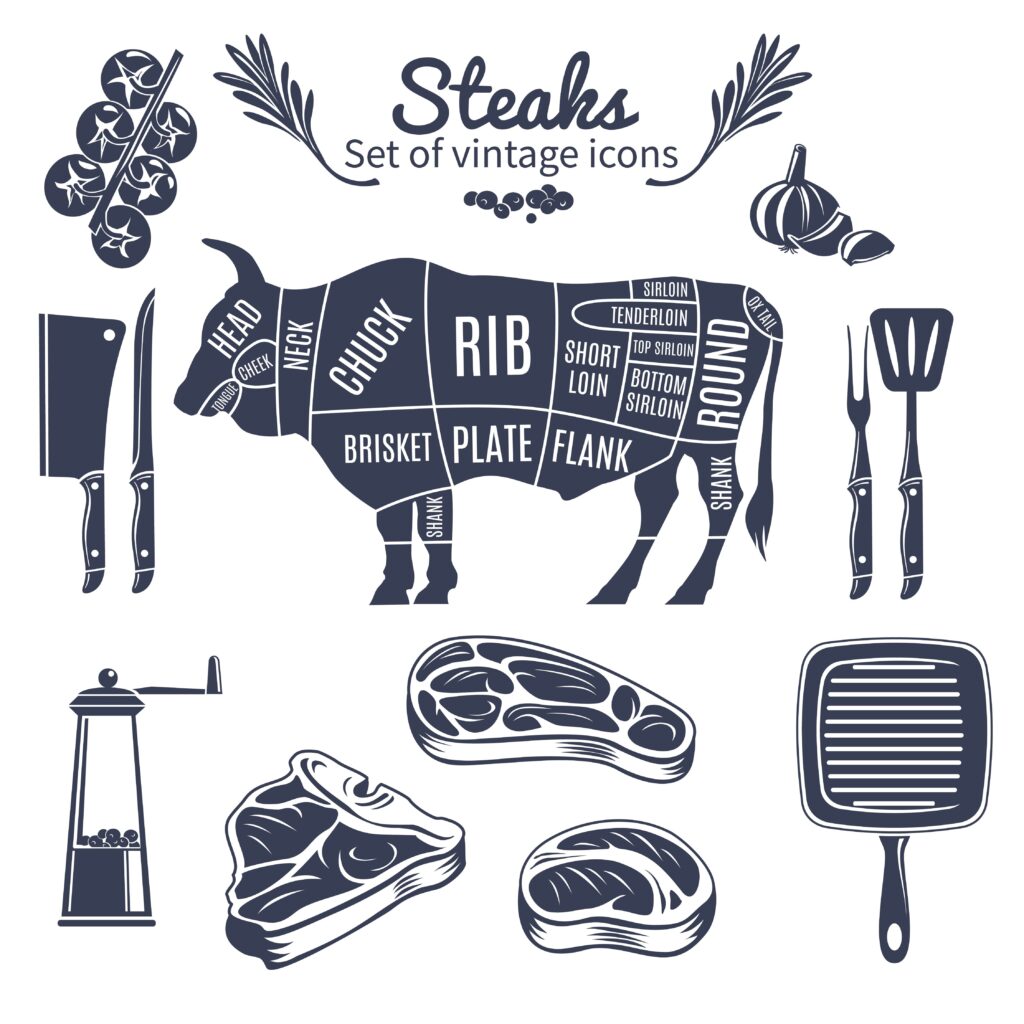
A side of beef is simply half of a cow that has been professionally butchered. Instead of buying individual cuts at the supermarket, you receive a full assortment of beef:
- Premium steaks (ribeye, T-bone, sirloin)
- Ground beef packages
- Roasts
- Ribs
- Brisket, stew meat, soup bones, etc.
You get a little bit of everything, all at once, and usually at a better price per pound.
How Much Does a Side of Beef Cost in 2025?
Prices vary based on how the cattle were raised (grain-fed vs. grass-fed), location, and processing costs such as cutting, packaging, and delivery.
Average U.S. Price Ranges
| Beef Type | Price per Pound (Hanging Weight) | Estimated Total Cost |
|---|---|---|
| Grain-fed | $5.00 – $6.50/lb | $1,200 – $1,900 |
| Grass-fed & grass-finished | $6.00 – $8.00/lb | $1,800 – $2,600 |
| Premium (organic / Wagyu cross) | $8.50 – $12.00/lb | $2,500 – $3,800 |
For most families, the real-world cost is around $1,800–$2,400 for a side of beef.
How Much Meat Do You Actually Take Home?
The price is based on the hanging weight (before trimming). Once bones and excess fat are removed, the final edible weight is lower.
| Weight Type | Amount | Meaning |
|---|---|---|
| Hanging weight | ~200–300 lbs (90–135 kg) | The butcher uses this to calculate price |
| Take-home weight | ~120–200 lbs (55–90 kg) | What you actually put in your freezer |
This amount can feed a family of four for 8–12 months. You’ll need at least 8–10 cubic feet of freezer space, ideally a chest freezer.
Is Buying in Bulk Really Worth It?
Yes – if you eat beef regularly.
Benefits of Buying a Side of Beef
- Cheaper per pound over time
- Higher quality and often locally raised beef
- You can customize cuts, steak thickness, packaging
- A full freezer saves time on grocery shopping
Downsides
- Larger upfront investment
- Freezer space required
- Some waiting time after placing the order
Additional Costs to Watch For
Not all farms include:
- Processing and butchering fees
- Vacuum-sealing and freezing
- Delivery or shipping costs
Important question to ask before ordering:
“Is processing included in the price per pound?”
This can make a big difference in the final bill.
Where Can You Order a Side of Beef?Here are examples that match the price categories above. All links are formatted for WordPress — you can insert them directly:
Grain-fed (lower price category)
-
Cibolo Creek Cattle Company — Half or whole beef options available
Grass-fed & grass-finished (mid-range pricing)
-
White Oak Pastures — 100% grass-fed 1/2 cow bundle
Mint Creek Farm — Custom-cut grass-fed half beef
Premium (organic / Wagyu cross)
-
Outpost 76 — Half Wagyu beef options
Bryan & Sons Farm — American Wagyu half-cow bulk package
How Does the Ordering Process Work?
- Choose a farm or online provider
- Pay a deposit (usually $200–$500)
- Select your cutting and packaging preferences
- The butcher confirms the hanging weight → you pay the remaining balance
- Pick up your beef or have it delivered frozen and labeled
Many buyers share an order with a friend to reduce cost and freezer needs.
Quick Pros & Cons
| Pros | Cons |
|---|---|
| Cheaper per pound | Higher upfront cost |
| Better quality beef | Requires freezer space |
| Full control over how it’s cut | Processing wait times |
| Supports local farms | More involvement than grocery shopping |
How Much Money Do You Actually Save by Buying Beef in Bulk
When you compare the cost of buying beef at the supermarket week after week to purchasing a side of beef one time, the difference can be surprisingly large. In grocery stores, the price of beef is set by each individual cut. Premium steaks such as ribeye or T-bone can cost 12 to 25 dollars per pound, while roasts and ground beef usually range between 5 to 8 dollars per pound. Prices can also rise unexpectedly depending on seasonal demand or changes in the market.
Buying a side of beef works differently. You pay one single, averaged price per pound based on the hanging weight of the animal. This means that the most expensive steaks cost exactly the same as the most affordable ground beef. Every package in your freezer has the same price tag behind it, which makes bulk buying very economical.
For a family that eats beef regularly, this can mean thousands of dollars saved each year. Purchasing enough retail beef to last a year can easily reach 3500 to 5000 dollars, depending on location and quality. By comparison, a side of beef that provides the same amount of meat will usually cost around 1800 to 2400 dollars. That difference translates into approximately 1500 to 2600 dollars in savings annually.
Another benefit is price security. Once your freezer is stocked, you do not have to worry about weekly store deals, sudden price increases or empty shelves. You simply choose a cut from your freezer whenever you need it, knowing that you already paid the best possible price for it. Buying half a cow is not only cheaper but also a smarter and more predictable way of planning a household food budget.
Sustainability and Ethical Farming Benefits
Buying a side of beef usually means purchasing directly from a local farm. This gives you a level of transparency and trust that you will not find in a supermarket. You can know where the animal was raised, how it was cared for and what it was fed. This reassurance is valuable for anyone who cares about the quality of the food they bring home.
Many farms that sell sides of beef raise their cattle on pasture. Grazing animals enjoy a more natural environment, more space and a higher standard of animal welfare than cattle raised in large industrial feedlots. This approach often results in healthier and better tasting meat because the animals live in cleaner and less stressful conditions.
There are environmental advantages as well. When beef is sold directly from a nearby farm to the consumer, it travels a shorter distance. This reduces fuel usage, packaging waste and the overall environmental footprint of the food. Supporting smaller family farms additionally strengthens local economies and helps protect farmland from industrial overuse.
Customers also gain direct communication with farmers. You can ask how the animals are raised, whether they are grass finished or grain finished, and you can even choose how the meat is cut and packaged. Instead of guessing what is behind a store label, you have full clarity about what you are buying and serving to your family.
For many people, these ethical and environmental benefits are just as important as the financial savings. Buying a side of beef allows you to invest not only in food for your family, but also in responsible farming and a healthier food system.
FAQ
How long does the meat last in the freezer
If the meat is properly vacuum sealed and stored at a consistent freezing temperature, it can stay fresh for about twelve to eighteen months. The flavor and texture remain excellent over this period, which is why many families find it practical to fill a freezer once and use the meat slowly over time.
Is grass fed beef worth paying extra for
Many people believe it is. Grass fed and grass finished cattle usually live in more natural conditions and have a cleaner diet, which often results in richer flavor and better nutritional value. For customers who care about food quality, animal welfare and farming practices, the slightly higher price can feel justified.
Can I split a side of beef with someone else
Yes. This is actually one of the most common ways people purchase a side of beef. Sharing an order with a friend or family member reduces the amount of freezer space needed and lowers the upfront cost for each person, while both still benefit from bulk pricing and premium quality meat.
Enjoying the beef you bought in bulk is even better when you finish the meal with a delicious homemade dessert like this Honeyed Ricotta recipe.