How to cook frozen steak might sound like a last-minute emergency idea, but sometimes you open the freezer, take out a steak, and realize you completely forgot to thaw it. And then you think it’s already too late for a good dinner, right? But the good news is: you can still make a delicious meal in the oven, even if the meat is still rock solid. With just a little care and a few smart steps, you can end up with something juicy, flavorful, and stress-free.
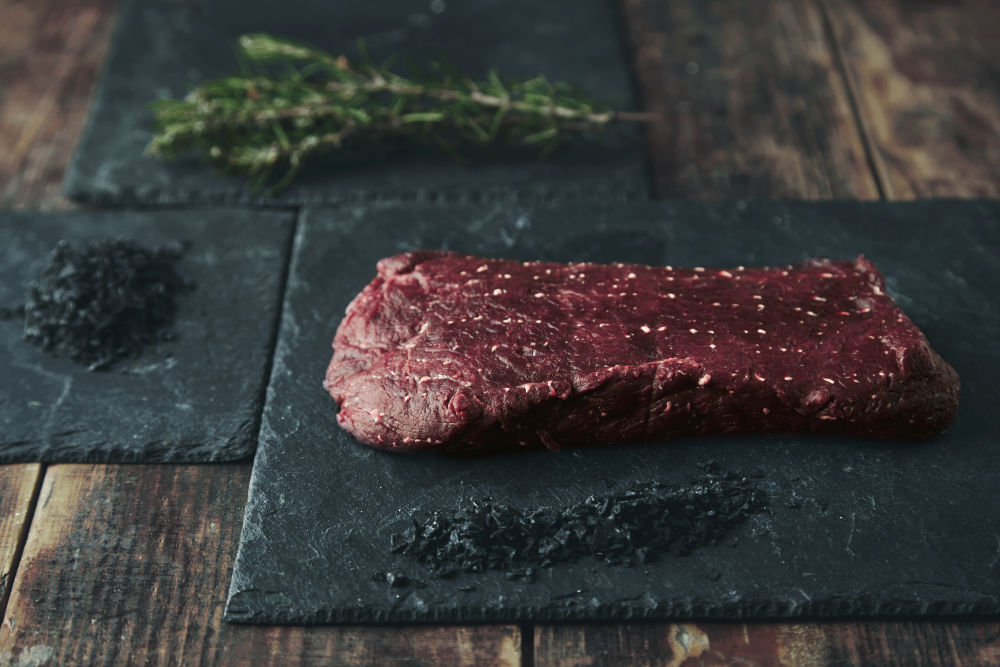
Yes, You Can Cook It Straight from the Freezer
Many people believe meat must be thawed before cooking, but that’s not always true. When you sear frozen steak, the outside browns beautifully while the inside slowly warms up, which often gives you a better crust and a more restaurant-like result. So instead of waiting for hours, you can start cooking right away.
Start with High Heat for a Great Crust
Heat a heavy pan very well, because the hotter the surface, the better the browning. Put the meat in the pan while it’s still frozen and let both sides get a golden crust. This helps seal in the juices so it doesn’t dry out later. The louder the sizzle, the better!
Slow, Even Cooking in the Oven
Once the surface looks nice and brown, the oven will take over. Place the pan into a 135°C oven so the inside warms up gently and cooks evenly without burning the outside.
How to Tell When It’s Done
You can use the chart below as guidance for a frozen steak about 1 inch thick,
finished in a 135 °C (275 °F) oven after searing.
| Level of doneness | Inside temperature | Approx. time in oven after searing |
|---|---|---|
| Rare | 50–52 °C (122–125 °F) | 12–15 min |
| Medium rare | 55–57 °C (130–135 °F) | 15–18 min |
| Medium | 60–63 °C (140–145 °F) | 18–22 min |
| Medium well | 65–67 °C (150–153 °F) | 22–26 min |
| Well done | 71 °C+ (160 °F+) | 26–30 min |
Tip: Before cooking, pat the surface of the steak dry with paper towels to remove any excess moisture. A dry surface helps achieve a better sear and a more flavorful crust.
Every steak behaves differently depending on thickness and fat marbling, so a thermometer gives you the most precise results.
When to Add Seasoning
Do not season right away. Adding salt too early can draw out moisture, which is something we want to avoid. Instead, wait until the crust has formed nicely, and then season with salt and pepper or your favorite spices. A little butter and herbs at the end make it even more aromatic and satisfying.
Which Meat Cuts Work Best
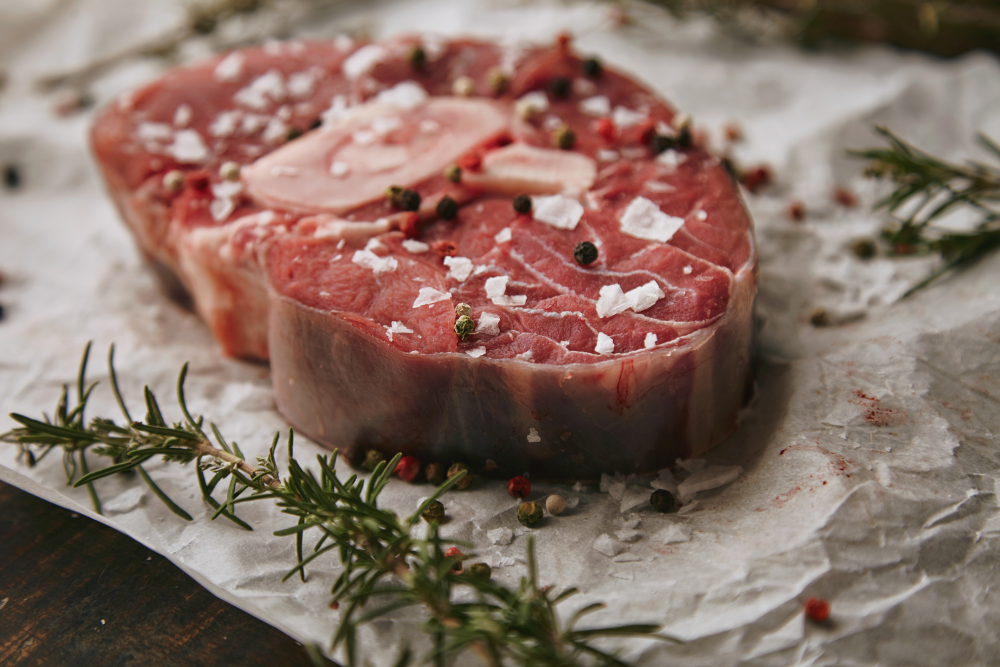
There are a few cuts that handle this method especially well, especially when you want the steak to stay juicy even though it started out frozen. Thick-cut pieces like ribeye, sirloin, striploin, and rump have just the right balance of fat, so they stay tender and flavorful while they cook.
Thickness matters a lot here. Very thin or lean cuts can dry out too quickly in the pan, because the outside cooks much faster than the inside can warm through. Thin steaks also tend to become chewy or cook unevenly when prepared straight from the freezer, while thicker cuts hold their structure and texture much better throughout the process.
One more small but very important detail is how the steak is frozen. Always freeze steaks completely flat. If the meat freezes in a curled or bent shape, it won’t make full contact with the hot pan or oven rack, which means parts of the surface may never brown properly. A flat steak browns more evenly, cooks more consistently, and looks better when sliced.
For the best results with this method, choose a well-marbled, thicker steak that was frozen flat in an airtight package. That’s when cooking steak straight from frozen really delivers the best texture, flavor, and appearance.
Food safety always matters when you’re cooking steak straight from the freezer, because even if the outside looks beautifully browned, the inside still needs time to warm up properly. So go step by step, and keep these simple rules in mind:
- Don’t thaw meat on the counter, because bacteria can grow quickly at room temperature
- Don’t defrost in warm water either, as the outside can enter the danger zone while the inside is still frozen
- Always make sure the center reaches a safe internal temperature a thermometer is the easiest way to do this
- Freezer-burned parts are safe to eat, but not very tasty, because the surface has dried out from air exposure
- If the steak looks darker inside the vacuum packaging, that’s usually just because of reduced oxygen it will turn an appetizing color once cooked
There is one more important factor to keep in mind: your freezer itself matters. For the best results, the meat should be stored at –18 °C (0 °F) or colder, in airtight packaging. If air gets inside, ice crystals can form, which damage the meat fibers and later affect texture. In that case, even if you cook the steak perfectly, it may still feel slightly dry simply because the freezing process wasn’t ideal.
It’s also worth checking how long the steak has been frozen. While meat can technically stay frozen for extended periods, its quality gradually declines over time. If you notice heavy frost buildup, unusual odors, or a very dull, dry-looking surface, it’s better to thaw the steak properly or choose a different cooking method instead of cooking it straight from frozen.
The takeaway is simple: store the steak correctly, keep it fully frozen, and cook it to the proper internal temperature. When those basics are handled well, the frozen-to-oven method remains fast, convenient, safe, and delivers excellent results.
Common Mistakes (So You Can Avoid Them)
- Only high heat → the outside burns while the inside stays raw
- No resting time → juices leak out
- Seasoning too early → dryness
- Guessing doneness → unreliable results
- Microwave thawing → rubbery texture
The magic trio: hot start, gentle finish, a short rest.
Quick Recipe: How to Cook Frozen Steak in the Oven
- Heat a pan very hot
- Sear both sides of the frozen meat for 2–3 minutes
- Move the pan to a 135°C oven
- Cook until internal temperature reaches your preferred doneness
- Season toward the end
- Rest 5 minutes before slicing
Cut in and enjoy that perfectly cooked center!
Why Cooking a Frozen Steak Works (And What to Watch Out For)
Cooking a steak directly from frozen may sound unusual, but it’s a well-tested method that produces excellent results when done correctly. Because the frozen interior heats up much more slowly, you can aggressively sear the outside to develop a deep crust without overcooking the center. This leads to a thinner gray band around the edges and a juicier, more evenly cooked interior.
Searing the steak first in a very hot pan is essential. Since the meat is frozen, the short searing time won’t overcook the inside, but it will create the flavorful crust that gives steak its signature taste. Finishing the steak in a low oven (around 120–150°C / 250–300°F) gently brings it to the desired doneness, similar to a reverse-sear method.
Using a meat thermometer is especially important with frozen steak. Visual cues are unreliable, and temperature is the only accurate way to ensure the steak is properly cooked without being raw or overdone. Resting the steak after cooking is also crucial, allowing the juices to redistribute for a tender, juicy result.
Important notes:
Frozen steaks can release surface moisture, which may cause oil to splatter when searing. Pat the steak very dry with paper towels before placing it in the pan. Seasoning also requires timing: salt won’t adhere well to a frozen surface, so it’s best to season generously after searing and before transferring the steak to the oven. Finally, this method works best for thick steaks (at least 3–4 cm / 1½ inches thick). Thin cuts can overcook too quickly, even when starting from frozen.
FAQ – Cooking Frozen Steak in the Oven
Can I bake meat directly from frozen?
Yes, just sear first, then finish gently in the oven.
Do I have to thaw before cooking?
No – in fact, this method often gives a better crust.
What temperature is best?
After searing, around 135°C works great.
Is it safe?
Yes, as long as the inside reaches a safe temperature.
How long does it take?
Usually 12–30 minutes after searing, depending on thickness.
When should I season?
Later – when the crust is already formed.
Which cuts are ideal?
Well-marbled ones like ribeye, sirloin, striploin and rump.
The Bottom Line
You absolutely can cook a frozen steak in the oven, and you might even love the results more than thawed cooking. While others are still waiting for their meat to defrost… you’re already eating.
Make It a Full Experience
Since you already rescued dinner like a pro, why not celebrate? Enjoying the beef you bought in bulk is even better when you finish the meal with a delicious homemade dessert like this