Grilling a ribeye steak is one of the best ways to highlight the rich flavor and tenderness of this well-marbled cut. When done correctly, high heat creates a deep, savory crust while the interior stays juicy and perfectly cooked. This guide covers everything you need to know about how to cook ribeye steak on the grill, from choosing the right steak to avoiding common mistakes, using a clean, steakhouse-style approach.
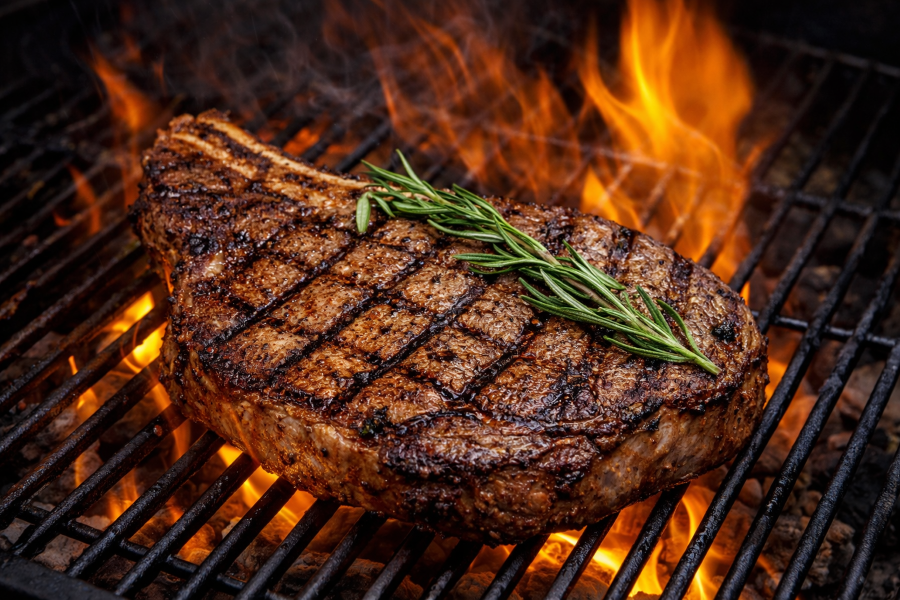
Ribeye is ideal for grilling because its intramuscular fat renders as it cooks, naturally basting the meat from the inside and delivering bold flavor without the need for marinades or heavy seasoning.
How to Choose the Best Ribeye for Grilling
Great grilled ribeye starts at the butcher counter. The quality and cut of the steak matter just as much as the cooking technique.
Thickness is key when grilling ribeye. A steak that is about 1.5 inches (3.8 cm) thick gives you enough time to develop a proper crust without overcooking the center. Thinner steaks heat through too quickly and leave little room for error.
Marbling is equally important. Look for ribeye steaks with visible white streaks of fat running through the meat. This intramuscular fat melts during grilling and is responsible for ribeye’s signature richness and juiciness.
When choosing between bone-in and boneless ribeye, both options work well. Bone-in ribeye tends to cook slightly more slowly and can develop deeper flavor due to heat retention near the bone. Boneless ribeye is easier to handle on the grill and cooks more evenly, making it a practical choice for most home cooks.
Essential Tools for Grilling Ribeye Steak
Using the right tools makes grilling easier and far more consistent.
An instant-read thermometer is the most reliable way to achieve perfect doneness. Visual cues can be misleading, especially when grilling over high heat.
Grill grates also make a difference. Cast iron grates retain heat well and create bold sear marks, while stainless steel grates heat quickly and are easier to clean, though they may leave lighter grill marks.
Always use long-handled tongs instead of a fork. Piercing the steak allows valuable juices to escape, resulting in a drier finished steak.
Ingredients
For the ribeye steak you will need two ribeye steaks about 1 to 1.5 inches thick, a high-heat oil such as grapeseed oil, canola oil, or beef tallow, kosher salt, and freshly ground black pepper.
For the optional cream sauce you will need one medium shallot finely diced, two cloves of garlic minced, one tablespoon of butter, two cups of heavy cream, four ounces of grated Vella Dry Jack cheese or aged Comté or Piave, and salt and black pepper to taste.
Prepare the Ribeye
Remove the ribeye steaks from the refrigerator and allow them to sit at room temperature for 30 to 45 minutes. This helps the steak cook evenly and prevents the exterior from overcooking before the center reaches the desired doneness.
Lightly coat the steaks with a high-smoke-point oil and season generously on all sides with kosher salt and freshly ground black pepper. Ribeye does not require additional spices, as the natural beef flavor should remain the focus.
Preheat the Grill
Clean the grill grates and lightly oil them to prevent sticking. Preheat a gas or charcoal grill to high heat, approximately 450°F to 550°F (230°C to 290°C). Proper preheating is essential for forming a flavorful crust.
How to Cook Ribeye Steak on the Grill
Place the ribeye steaks directly over the hot grates and close the grill lid. Cook undisturbed for about 3 to 4 minutes, until a crust forms and the steak releases easily from the grill.
Flip the steaks, close the lid again, and grill for another 3 to 4 minutes. Cooking time will vary depending on steak thickness and grill temperature, so it is best to rely on internal temperature rather than time alone.
For medium rare doneness, the internal temperature should reach 125°F to 130°F (52°C to 54°C). If using the touch test, the steak should feel firm around the edges while remaining slightly springy in the center.
Reverse Sear vs. Direct Grilling
Direct grilling works best for ribeye steaks up to about 1.5 inches thick. For thicker cuts, the reverse sear method offers greater control.
With reverse sear, the steak is first cooked over indirect heat until nearly done, then finished over high heat to develop a crust. This approach produces more even doneness from edge to center and reduces the risk of overcooking.
Both methods are effective. Direct grilling is faster, while reverse sear is more forgiving for thick steaks.
Gas vs. Charcoal: Which Is Better?
Charcoal grills produce a smokier flavor and can reach very high searing temperatures, making them a favorite among purists. They require more setup and attention but reward with classic grilled taste.
Gas grills offer convenience and precise temperature control. While they produce less smoke, excellent results are still achievable with proper heat management and technique.
Steak Doneness Temperature Chart
A rare steak reaches an internal temperature of 120°F to 125°F (49°C to 52°C) and has a cool red center.
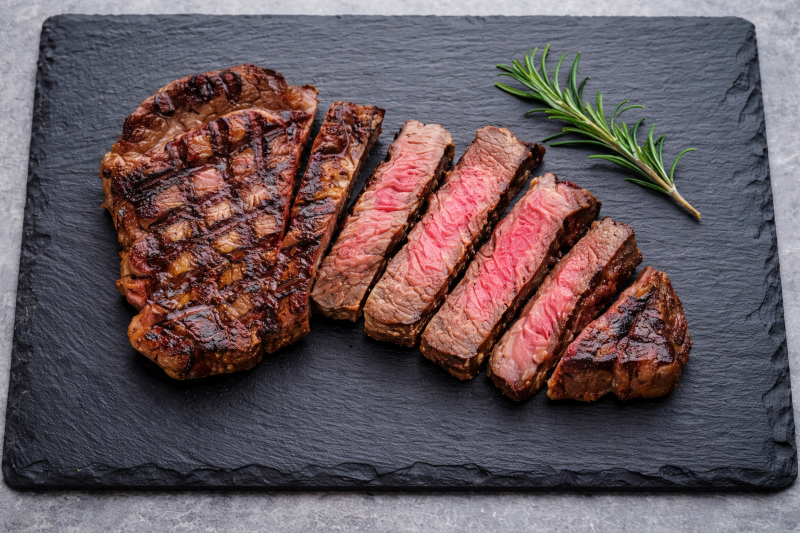
For medium rare doneness, the internal temperature should be between 130°F and 135°F (54°C to 57°C), resulting in a warm red center, which is generally recommended for ribeye.
Medium doneness falls within the range of 140°F to 145°F (60°C to 63°C) and produces a warm pink center.
At medium well, the steak reaches 150°F to 155°F (65°C to 68°C) and has only a slight hint of pink remaining.
Rest the Steak
Transfer the ribeye steaks to a cutting board and let them rest for 8 to 10 minutes. Resting allows the juices to redistribute throughout the meat, resulting in a juicier and more flavorful steak.
Cream Sauce Preparation
The cream sauce can be prepared before grilling or while the steak is resting. Melt the butter over medium heat and sauté the shallots and garlic for 2 to 3 minutes until softened. Add the heavy cream and bring it to a gentle boil, then reduce the heat and simmer until thickened. Stir in the grated cheese until smooth and season with salt and black pepper to taste. If the sauce becomes too thick, add a small splash of beef stock to loosen it.
Common Mistakes to Avoid
If flare-ups occur due to dripping fat, move the steak to a cooler zone until the flames subside. Avoid flipping the steak too soon; if it sticks to the grill, it usually needs more time to develop a proper crust.
Storage and Reheating
Store leftover ribeye in an airtight container in the refrigerator. To reheat without drying it out, warm the steak gently in a low oven at about 250°F (120°C) with a small splash of beef stock until heated through.
A ribeye steak should be grilled for about 3 to 4 minutes per side over high heat if you are aiming for medium rare. Cooking time can vary depending on steak thickness and grill temperature, so using an instant-read thermometer is the most reliable way to avoid overcooking.
The ideal grill temperature for ribeye steak is between 450°F and 550°F (230°C to 290°C). High heat is essential for creating a flavorful crust while keeping the inside juicy and tender.
It is best to lightly oil the steak rather than the grill grates. Coating the steak with a high-smoke-point oil helps prevent sticking and promotes even browning without creating excess smoke.
No marinade is necessary for ribeye steak. Ribeye has enough natural fat and flavor that simple seasoning with kosher salt and freshly ground black pepper is all it needs.
The most accurate way to check doneness is with an instant-read thermometer. For medium rare, remove the steak from the grill when the internal temperature reaches 125°F to 130°F (52°C to 54°C). The steak will continue to cook slightly while resting.
For the best crust, flip the ribeye steak only once during grilling. Allow the first side to develop a proper sear before flipping; if the steak sticks, it needs more time.
Flare-ups are caused by fat dripping onto the heat source. If flames appear, move the steak to a cooler, indirect zone of the grill until the flames die down, then continue cooking.
Ribeye steak should rest for 8 to 10 minutes after grilling. Resting allows the juices to redistribute throughout the meat, resulting in a more tender and flavorful steak.
Yes, the reverse sear method works especially well for thick ribeye steaks. Cooking the steak gently over indirect heat first and finishing with a high-heat sear helps achieve even doneness and a great crust.
To reheat ribeye steak without drying it out, warm it gently in a low oven (about 250°F / 120°C) with a small splash of beef stock until heated through.
Final Thoughts
If you are looking for a complete and reliable guide on how to cook ribeye steak on the grill, this method focuses on the fundamentals that truly matter: choosing quality meat, using proper heat, and keeping the seasoning simple. Master these elements and you can consistently produce restaurant-quality ribeye at home.
If you love bold, savory steak flavors and want to explore another delicious way to enjoy beef, you might also enjoy mastering pepper steak. While this guide focused on how to grill the perfect ribeye, our friends at Rooftop Bakery have put together a fantastic recipe for making pepper steak at home that highlights rich, peppery seasoning and a tender, juicy finish. Check out their step-by-step instructions here: https://rooftopbakery.com/how-to-make-pepper-steak/